

Even the most seasoned travelers make mistakes.
Maybe you packed way too much, missed a connection, forgot to check the weather, or arrived at your destination only to realize the attraction you couldn’t wait to visit is closed on Tuesdays.
It happens.
I’ve definitely made my share of travel mistakes over the years. Some were inconvenient, some cost me money, and some left me walking around with blisters on my feet. But that’s also part of becoming a better traveler—you learn what works, what doesn’t, and what you definitely won’t do again.
Whether you’re planning your first big trip or you’re already collecting passport stamps, here are 15 common travel mistakes I’ve learned to avoid.
1. Overplanning Every Minute of Your Trip
I understand the temptation.
You’ve spent money getting there, you have a limited amount of vacation time, and you want to SEE EVERYTHING.
So you create an itinerary that looks something like:
8:00 — Breakfast
8:30 — Museum
10:00 — Walking tour
12:00 — Lunch
1:00 — Attraction
2:30 — Another attraction
4:00 — Somehow another attraction
6:00 — Dinner
By Day 3, you need a vacation from your vacation.
What to do instead
Choose a few priorities for each day and leave some breathing room. You may discover somewhere you want to spend longer, lunch may take two hours, or you may wake up exhausted and decide that sitting at a café sounds significantly better than visiting your fourth museum.
Leave room for the unexpected. Some of the best travel experiences happen when you aren’t following an itinerary at all.
2. Packing Way Too Much
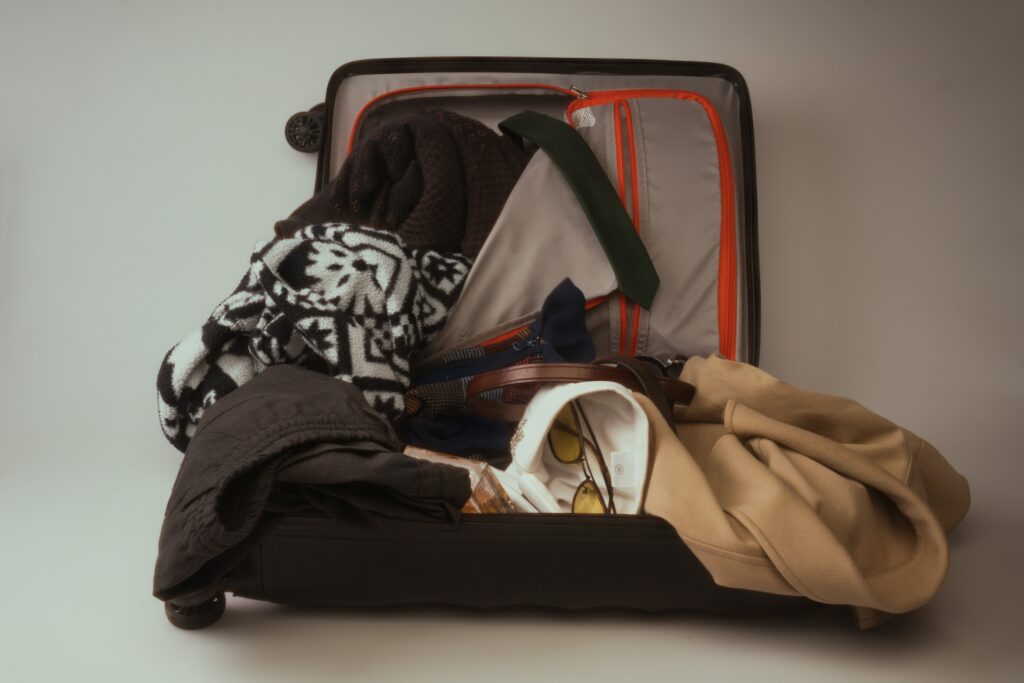
I am absolutely guilty of this one.
Overpacking sounds harmless until you’re the person dragging a heavy suitcase through an airport, train station, up a flight of stairs, or across a cobblestone street wondering why you thought you needed all of this stuff.
And somehow, despite bringing enough clothes to survive a month, you’ll probably keep reaching for the same few outfits.
What to do instead
Pack versatile pieces that you can mix and match. Plan outfits instead of throwing random clothes into your suitcase, and use packing or compression cubes to keep things organized.
Before you close your suitcase, take another look and ask yourself: Am I actually going to use this?
If the answer is “maybe,” that’s probably something you can leave at home.
3. Not Researching Your Destination
Spontaneity is great. Being completely unprepared isn’t.
You don’t need to create a 40-page research document before every vacation, but you should understand the basics of where you’re going.
What to do instead
Before your trip, research things like local transportation, currency and payment methods, typical weather, cultural customs, major holidays, neighborhoods, common tourist scams, entry requirements and emergency information.
Also check opening days and hours for anything you’re especially excited to visit.
A little preparation can prevent a lot of unnecessary stress and help you avoid some of the most common travel mistakes before your trip even begins.
4. Forgetting to Check Your Passport and Entry Requirements
Imagine planning an amazing international vacation and discovering shortly before departure that your passport has expired.
No thank you.
Even having a passport that hasn’t technically expired may not always be enough. Some countries require your passport to remain valid for a certain amount of time beyond your trip, and entry requirements can change.
What to do instead
Check your passport well before an international trip and verify the current entry requirements for your destination using official government sources.
Don’t rely solely on something you read in a three-year-old blog post or random social media comment. Travel requirements change.
5. Wearing the Wrong Shoes

Learn from my feet. I’ve made the mistake of wearing the wrong shoes for a day involving a lot of walking and ended up with blisters. Not exactly the souvenir I was hoping to bring home LOL
You may walk considerably more while traveling than you normally do at home. Add cobblestones, hills, stairs, airports, train stations and hours of sightseeing, and the wrong shoes can make an otherwise great day miserable.
What to do instead
Bring comfortable, broken-in shoes appropriate for what you’re actually planning to do.
And please don’t make a vacation the first time you wear brand-new walking shoes for eight hours. Your feet deserve better.
6. Packing for the Weather You Think You’re Going to Have
I’ve done this too.
You imagine your destination is going to be cold, so you pack warm clothes and then arrive to surprisingly beautiful weather with a suitcase full of things that suddenly feel completely unnecessary.
The opposite can be much worse. Weather doesn’t care what you pictured when you booked the trip.
What to do instead
Look at seasonal averages when you’re planning, but check the actual forecast shortly before you leave. Layers are your friend when temperatures could vary, and some kind of rain protection is usually worth considering.
If the weather ends up being better than expected, that’s a travel mistake I’ll happily accept.
7. Ignoring Your Phone and Battery Situation
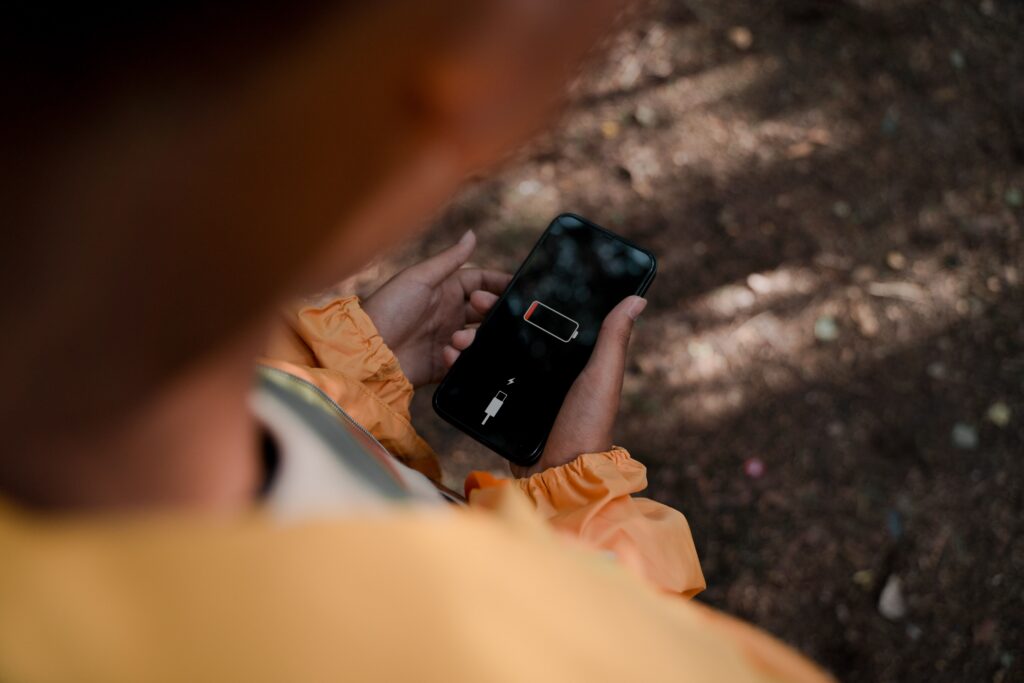
Having a phone while traveling is incredibly useful—until it isn’t.
I once ran out of battery while I was trying to order a rideshare. That is a particularly inconvenient moment to discover that your phone is now essentially a very expensive black rectangle.
What to do instead
Charge your phone before heading out for a long day and carry a charged portable battery when you can.
Before international travel, also check what your carrier charges for data and roaming. Depending on your phone and destination, an international plan, local SIM or eSIM may make more sense.
Download important things ahead of time too: offline maps, tickets, reservations, hotel addresses and transportation information. If your phone is one of your most-used travel tools, I also put together 15 of my favorite free travel apps for solo travelers.
Don’t make your phone your only backup plan.
8. Not Understanding How You’re Paying for the Trip
This is one I learned when I was younger.
I used my credit card to pay for things without really understanding what using credit meant, how interest worked, or how much those purchases could eventually cost me.
When you’re excited about a trip, it’s very easy for “I’ll pay for it later” to become Future You’s problem. Unfortunately, Future You eventually becomes Present You.
What to do instead
Know what you’re spending and understand the payment method you’re using.
If you’re putting travel expenses on a credit card, understand the interest rate and how you’ll repay the balance. A $500 travel expense can cost considerably more if you’re carrying that balance and paying interest.
Also research foreign transaction fees and ATM fees before traveling internationally. Travel is supposed to give you memories—not a financial hangover that follows you home.
9. Keeping All Your Money in One Place
Wallet stolen? Bag lost? Card suddenly doesn’t work?
If every financial resource you have is sitting inside the same wallet, one problem can quickly become a much bigger one.
What to do instead
Have a backup payment method and, where practical and secure, don’t store everything in exactly the same place.
You don’t need to travel with a suitcase full of cash. You just don’t want one lost wallet or declined card to leave you completely stranded.
10. Booking Accommodations Based Only on Price
You found an unbelievably cheap hotel. Congratulations! There’s just one problem.
It’s an hour away from everything you actually came to see. A cheap room isn’t necessarily cheap if you’re spending extra money-and a huge amount of time-getting back and forth every day.
What to do instead
Look at the total value, not just the nightly price.
Consider location, transportation, neighborhood, reviews, amenities, additional fees, safety and comfort. Especially when traveling solo, I’d rather pay a little more for somewhere that makes getting around easier and where I feel comfortable returning at the end of the day.
Travel Britten note: This is exactly why I compare more than the nightly rate when looking for accommodations. You can read my 15 Tips for Finding Cheap Travel Accommodations for more ways to save without automatically choosing the cheapest room.
11. Being Too Cheap
I’m a big fan of budget travel. But there’s a difference between being budget-conscious and making yourself miserable to save $8.
Taking three buses and adding four hours to your journey isn’t necessarily a bargain. Neither is staying somewhere you hate or skipping every experience you’re excited about because it costs money.
What to do instead
Decide where you’re willing to save and where you want to splurge.
Maybe you choose an inexpensive hotel so you can afford an amazing excursion. Maybe you eat cheaply most days so you can enjoy one special restaurant.
Your travel budget should help you experience the destination, not prevent you from enjoying it.
12. Forgetting About Travel and Connection Time
I’ve learned this lesson firsthand.
I’ve missed a connecting train after arriving late to the first one. That’s the problem with planning connections as though every piece of transportation will operate exactly according to your schedule. Sometimes it won’t.
And even when everything is running properly, getting from Point A to Point B usually takes longer than the actual journey listed on your ticket.
What to do instead
Give yourself breathing room for important connections whenever possible.
And when you’re changing cities, remember that a two-hour train ride doesn’t necessarily mean a two-hour travel day.
You still have to check out, get to the station, find your platform, wait, travel, get from the next station to your accommodation and check in. Don’t build an itinerary as if teleportation exists.
Unfortunately, we’re not there yet.
13. Only Visiting Tourist Attractions
Famous attractions are famous for a reason. Go see them!
But if your entire vacation consists of moving from one major tourist attraction to another, you may miss some of the destination’s personality.
What to do instead
Walk around a neighborhood. Visit a local market. Try a restaurant away from the busiest tourist area. Sit in a park. Take public transportation. Stop at the little café that looks interesting.
Give yourself opportunities to experience everyday life in the destination too. Some of my favorite parts of traveling have nothing to do with checking another famous attraction off a list.
14. Ignoring Your Instincts
This one matters, particularly when you’re traveling solo.
You don’t have to stay somewhere, continue an interaction or put yourself in an uncomfortable situation simply because you don’t want to appear rude.
What to do instead
If something doesn’t feel right, change the situation.
Leave. Move somewhere busier. Go inside a business. Change transportation. Contact someone you trust. Ask hotel staff for help. You don’t need to prove that your concern was justified before acting on it.
Getting yourself somewhere you feel comfortable matters more than worrying about whether you’re overreacting.
15. Expecting Everything to Go According to Plan
Your flight gets delayed. It rains. The museum is closed. You miss your train. Your luggage apparently decides it would rather vacation somewhere else.
Welcome to travel.
What to do instead
Build flexibility into your plans. Have backups for the things that really matter and learn to laugh at some of the things that don’t. Some of the most common travel mistakes happen simply because we expect everything to work exactly the way we planned.
A travel mishap can feel disastrous in the moment and become one of the stories you tell for years. Sometimes Plan B ends up being better anyway.

The Biggest Travel Mistake? Being Afraid to Go.
It’s easy to spend so much time worrying about everything that could go wrong that you never actually take the trip. You won’t do everything perfectly. Neither will experienced travelers. That’s okay.
Do your research. Prepare for the things you can control. Be flexible about the things you can’t. Learn from the mistakes you make along the way and keep traveling.
Because eventually you realize something: Being a good traveler isn’t about never making mistakes. It’s about getting better at handling them.