

Traveling alone as a woman can be exciting, empowering, and occasionally intimidating. Whether you’re planning your first solo getaway or you’ve already collected a few passport stamps, safety is probably something you’ve thought about before booking a trip.
My first solo international trip was to Guatemala when I was 22. Since then, I’ve explored destinations across the US, Europe, Central America, and the Caribbean, traveled alone, and even lived abroad in Spain. I’ve learned that traveling confidently doesn’t mean assuming nothing will go wrong. It means preparing for the unexpected, paying attention to your surroundings, and knowing when to trust yourself.
You don’t have to be fearless to travel solo. You just need to be prepared. These solo female travel safety tips are designed to help you prepare for the unexpected, protect your belongings, and feel more confident exploring the world on your own.
1. Research Your Destination Before You Go
A little research can make a big difference when you’re visiting somewhere new. Before booking a trip, look into the destination’s safety considerations, health precautions, local customs, transportation options, weather, and neighborhoods.
Don’t rely on a single social media post to decide whether a place is safe. Read recent traveler experiences, consult official travel advisories, and look for information specific to the areas you plan to visit. Conditions can vary significantly between neighborhoods, even within the same city.
I also recommend learning a few basic phrases in the local language. Knowing how to ask for help, say no, or explain that you need assistance can be useful when you’re navigating an unfamiliar place.
My tip: Research how you’ll get from the airport or train station to your accommodation before you arrive. It’s much easier to make a plan at home than when you’re tired, carrying luggage, and trying to figure everything out on the spot.
2. Choose Accommodations With Safety in Mind
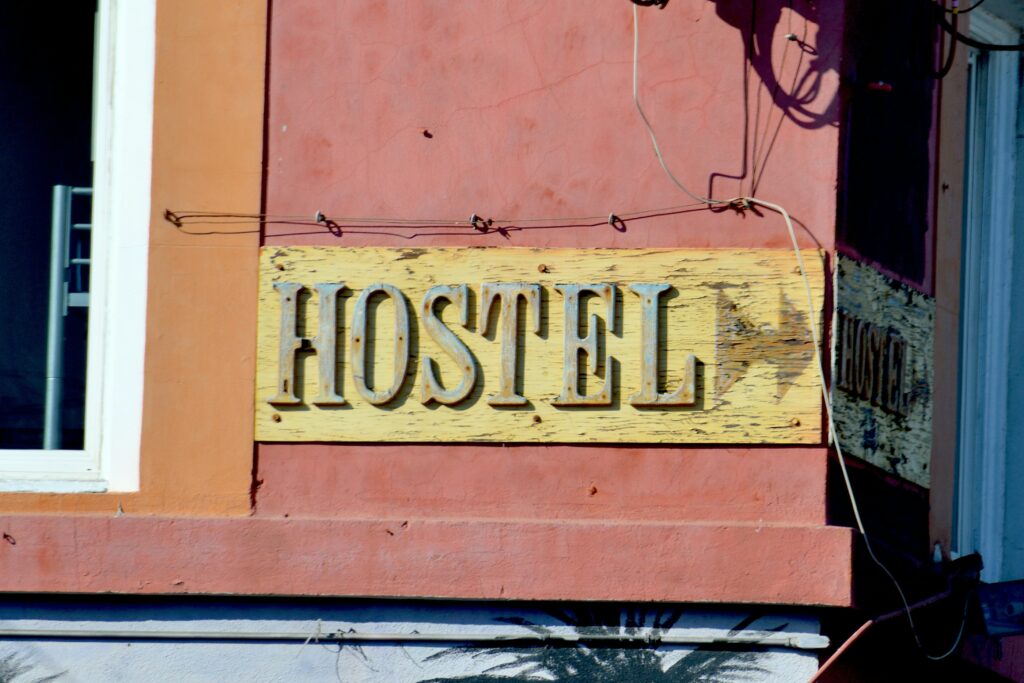
Finding affordable accommodation is important, especially when you’re traveling on a budget. But the lowest price isn’t always the best value if the location or setup makes you uncomfortable.
When comparing hotels, hostels, and vacation rentals, read recent reviews and pay attention to comments about the neighborhood, staff, access, cleanliness, and security. Check how far the property is from public transportation and whether you’ll feel comfortable getting back there after dark.
If you’re staying in a hostel, consider whether you prefer a female-only dorm, a room with a locker, or a private room. At a hotel or vacation rental, review the check-in arrangements and how you’ll access the property.
When you arrive, make sure you understand how the door locks work and where to go if you need assistance. Keep your room number and accommodation details private when speaking with strangers. You don’t have to spend a fortune to make a sensible choice. The goal is to find a place that fits your budget while allowing you to feel comfortable and secure.
Looking for budget-friendly options? Check out my guide to finding cheap travel accommodations.
3. Share Your Itinerary With Someone You Trust
Solo travel doesn’t mean nobody should know where you are. Before leaving, share your general itinerary with a trusted friend or family member, including your accommodation details, major transportation plans, and expected arrival dates. You don’t need someone monitoring every step of your trip. A simple check-in routine can be enough to help someone notice if you miss an agreed-upon update.
You can also use your phone’s location-sharing feature with someone you trust, if that feels comfortable to you. Review the settings first so you understand who can see your location and for how long. If your plans change, let your contact know when practical. And if you’re heading somewhere remote or taking a long excursion, consider telling someone when you expect to return.
If you’re a U.S. citizen traveling internationally, consider enrolling in the Smart Traveler Enrollment Program (STEP) to receive relevant updates and help the nearest U.S. embassy or consulate contact you in an emergency.
Remember: Sharing your itinerary is a backup plan, not a substitute for your own judgment. Choose someone reliable who will know what to do if they genuinely cannot reach you.
4. Keep Your Phone Charged and Your Important Information Accessible

Your phone can be one of your most useful travel tools. It helps you navigate, contact people, translate unfamiliar words, arrange transportation, and access reservations. Before leaving your accommodation, make sure you have enough battery for the day. A portable charger can be especially helpful when you’re sightseeing for hours or relying on your phone to get around.
Download offline maps when possible, save your accommodation’s address, and keep copies of important travel documents somewhere secure. Store emergency contacts in a place you can access even if your phone is unavailable.
It’s also worth knowing how to contact local emergency services at your destination. The emergency number may differ from the one you use at home. Be thoughtful about public Wi-Fi, too. Avoid accessing sensitive accounts on networks you don’t trust, and use multifactor authentication for important accounts where possible.
My guide to free travel apps covers useful tools for navigation, translation, and organizing your trip.
5. Protect Your Belongings From Pickpockets
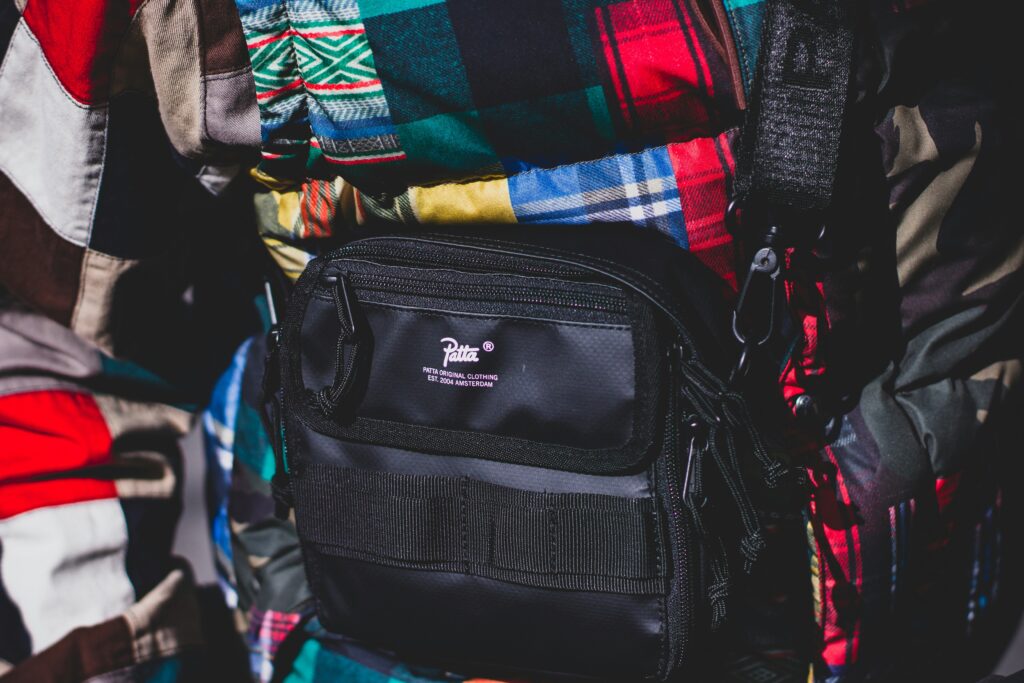
Pickpocketing can happen in crowded tourist areas, on public transportation, and in busy markets. It doesn’t mean you should avoid these places; it means you should pay attention to how you carry your belongings.
I recommend keeping your bag zipped and close to your body. A crossbody bag worn toward the front can be practical in crowded spaces, and your phone and wallet are better kept in secure pockets than in an easy-to-reach back pocket.
Avoid leaving your phone on a café table near the street or hanging your bag on the back of a chair. On public transportation, keep your belongings within sight and be especially mindful when boarding, exiting, or moving through crowds.
Don’t keep all your cash, cards, and identification together in one place. Where practical, separate backup payment methods and store copies of important documents securely. If someone bumps into you or creates a distraction, don’t automatically assume something is wrong, but take a moment to check that your belongings are still where you expect them to be.
The point isn’t to spend your entire trip worrying about theft. It’s to make your valuables harder to access and give yourself one less thing to stress about!
6. Plan How You’ll Get Around, Especially at Night
Getting lost is part of exploring sometimes. Wandering around a new city can even lead to some of the best discoveries. But there’s a difference between enjoying an unplanned adventure and finding yourself somewhere unfamiliar without a reliable way back. Before heading out, check your route and learn how public transportation works. Know when the last train or bus runs, especially if you’re planning an evening out.
If you’re arriving late, research reputable transportation options ahead of time. Use official taxi services or established ride-hailing apps where available, and verify the vehicle and driver details before getting in. When walking, choose routes that are well-lit and reasonably busy when possible. If a street or situation makes you uncomfortable, you don’t need to keep going just because your map says it’s the shortest route.
And please don’t feel obligated to walk somewhere simply to save a few dollars if you’re uncomfortable with the situation. Budgeting matters, but so does getting back safely!
7. Trust Your Instincts and Set Boundaries
Of all the solo female travel safety tips I’ve learned, this is one of the most important: you do not owe anyone your time, attention, or an explanation for saying no!
Traveling alone sometimes means interacting with strangers more often. You may meet wonderful people, receive helpful recommendations, or make friends you’ll remember for years. But not every interaction deserves to continue.
If someone makes you uncomfortable, you’re allowed to end the conversation, move to another location, or ask staff for help. You don’t have to worry about appearing rude when your comfort or safety is at stake. You can decline an invitation without explaining why. You can change your mind after agreeing to something. And you can leave a situation even if everyone else seems to be enjoying themselves.
If you feel uneasy, move toward a staffed business, hotel reception, security desk, or another public place where you can ask for assistance. If you believe you’re in immediate danger, contact local emergency services. Trusting your instincts doesn’t mean treating every stranger as a threat. It means allowing yourself to respond when something doesn’t feel right instead of talking yourself out of it to be polite.
8. Be Careful About What You Share With Strangers
Meeting people is one of the best parts of travel, whether you’re staying in a hostel, joining a group tour, or chatting with someone at a café. You can be friendly without sharing every detail about yourself. You don’t need to tell someone you’ve just met that you’re traveling completely alone, where you’re staying, or exactly what your plans are for the rest of the evening. You can keep those details general until you’ve built trust.
Be mindful of posting your live location publicly, too. Sharing a beautiful photo after you’ve left a place can be a simple way to enjoy social media without broadcasting your current whereabouts to everyone. If you meet someone and decide to spend time together, consider arranging the first meetup in a public place. Let a trusted contact know your plans when appropriate, and make sure you have your own way to leave.
The goal isn’t to avoid making connections. It’s to enjoy them while maintaining reasonable boundaries.
9. Make Thoughtful Decisions About Nightlife and Alcohol

Going out alone doesn’t have to be off-limits. You can enjoy a pub, concert, restaurant, or night out while traveling solo. The key is having a plan that lets you make decisions comfortably.
Know how you’ll return to your accommodation before the evening begins. Keep your phone charged, watch your drink, and stay aware of how much alcohol you’re consuming. Don’t feel pressured to accept drinks from strangers or keep drinking because other people are. If you begin to feel unwell, disoriented, or uncomfortable, seek help from trusted staff or someone you feel safe approaching.
If you’re meeting new people, make sure you can leave independently rather than relying on someone you barely know for transportation. You don’t have to stay out late to get the full travel experience. Sometimes a relaxed dinner, a sunset walk in a suitable public area, or an early night is exactly what you need.
10. Keep Backup Money and Important Documents Secure
Losing your wallet or having a payment card declined is frustrating anywhere, but it can be particularly stressful when you’re abroad. Where possible, carry a backup payment method separately from your everyday wallet. Keep emergency funds in a secure location and avoid carrying all your cash around at once. Save the contact information for your bank or card provider so you can report a lost or stolen card quickly. Know how to access your money if your primary card stops working.
Keep your passport secure, but make sure you have access to a copy of the identification page and any other documents you’ll need. Follow local requirements for carrying identification, and check the rules for your destination before deciding where to keep your original passport. If your passport is lost or stolen abroad, contact local authorities as appropriate and reach out to your country’s embassy or consulate for instructions.
A backup plan won’t prevent every inconvenience, but it can make a difficult situation much easier to manage.
11. Know What to Do When Something Goes Wrong
Even careful travelers encounter problems. Flights get canceled, trains are missed, phones disappear, and reservations sometimes fall through. Try to focus on what you can do next rather than panicking about everything at once. Move to a safe place, assess what you need, and contact the relevant person or service.
If you lose your phone, you may need to use a hotel phone, a trusted person’s device, or a public assistance point to contact someone. If you lose a payment card, freeze it through your bank’s official app or contact the card provider. If you miss a connection, speak to the transport operator about your options rather than making an expensive replacement booking without checking.
For serious emergencies, contact local emergency services. If you need help with a stolen passport, a medical emergency, or another significant problem abroad, your embassy or consulate may be able to explain what assistance is available. It’s also useful to keep travel insurance details accessible if you have a policy. Understand what it covers and how to contact the provider before you need it.
You can’t plan for every possible problem. You can, however, make sure you know where to turn when one happens.
12. Don’t Let Fear Keep You From Traveling
All this advice might sound like a lot, especially if you’re planning your first solo trip. But you don’t need to spend every moment looking over your shoulder or anticipating the worst.
Preparation should help you enjoy traveling, not prevent you from enjoying it. Research your destination, choose accommodation that meets your needs, keep someone informed, and make decisions that support your comfort and well-being.
I started traveling because I wanted to see more of the world and experience life beyond what I already knew. Every trip has taught me something, and I’ve learned that confidence often comes from doing things, even when you’re a little nervous.
You can take sensible precautions and still be spontaneous. You can be cautious and still meet new people. You can acknowledge that risks exist without allowing fear to make every decision for you.
And if your first solo trip is a little messy? That’s okay. You’re learning!
Final Thoughts: Travel Smart, Trust Yourself, and Enjoy the Journey
Solo female travel isn’t about proving that you’re fearless or that you can handle absolutely everything alone. It’s about giving yourself the tools to make informed decisions, recognize your boundaries, and respond when plans change.
Start with the basics, prepare for the destination you’re visiting, and adjust your plans when circumstances call for it. Most importantly, remember that you deserve to feel comfortable and respected wherever you travel.
You don’t have to be fearless to see the world. You just have to give yourself the chance! 🙂