Category: Budget Travel

  • Disney on a Budget: How to Save Money at Disney World

    Disney on a Budget: How to Save Money at Disney World

    Planning a vacation to Disney on a budget doesn’t mean you have to miss out on the fun.

    Between transportation, hotels, park tickets, food, souvenirs, and all the little extras that somehow add up, a Disney vacation can get expensive really quickly. But spending less doesn’t mean you can’t enjoy your trip.

    If you’re planning a Disney World vacation on a budget, the key is deciding where you actually want to spend your money and where you don’t.

    Here are 13 practical ways to save money while still enjoying the magic.

    Disney on a budget at Walt Disney World

    1. Set Your Disney World Budget Before You Start Planning

    Before you start looking at hotels or buying tickets, figure out what you can realistically spend.

    Break your budget into categories like:

    • Transportation
    • Accommodations
    • Park tickets
    • Food
    • Local transportation
    • Souvenirs
    • Extras
    • Emergency or miscellaneous expenses

    Then decide which categories matter most to you.

    Maybe you’re perfectly happy staying at a less expensive hotel because you’d rather spend that money on food and experiences inside the parks. Or maybe having a nice hotel matters more because you plan to spend some time relaxing there.

    There isn’t one “right” way to do Disney. The goal is to spend intentionally instead of spending because something looks cute in the moment.

    2. Be Flexible With Your Disney World Travel Dates

    If you have some flexibility, compare different travel dates before booking anything.

    Prices and availability can vary depending on the time of year, holidays, school breaks, and other busy travel periods. If you’re flying to Orlando, airfare can also make a big difference in your overall budget. Don’t automatically choose the first dates that look convenient. Check a few different options and see how much the overall trip would cost.

    Sometimes moving your trip by a few days can make a noticeable difference.

    3. Compare Disney Resorts With Off-Site Hotels

    Staying at a Disney resort can be convenient, but don’t assume it’s automatically the best financial choice or that an off-site hotel will always be cheaper. Compare the total cost of each option.

    With an off-site hotel, remember to consider things like:

    • Rideshares
    • Rental cars
    • Parking
    • Resort fees
    • Transportation to the parks
    • Time spent getting back and forth

    A cheaper room isn’t necessarily cheaper once you add everything else. Look at the complete picture before making your decision.

    4. Don’t Automatically Choose the Fanciest Room

    Let’s be honest: how much time are you actually going to spend in your hotel room?

    If your plan is to wake up, get ready, hit the parks, come back exhausted, shower, and fall into bed, you may not need the fanciest room available.

    Of course, if a beautiful resort is part of the experience you want, go for it! But if you’re trying to save money, ask yourself whether you’re paying for amenities you’ll actually use.

    Sometimes a clean, comfortable room is all you need.

    5. Compare Your Disney World Ticket Options
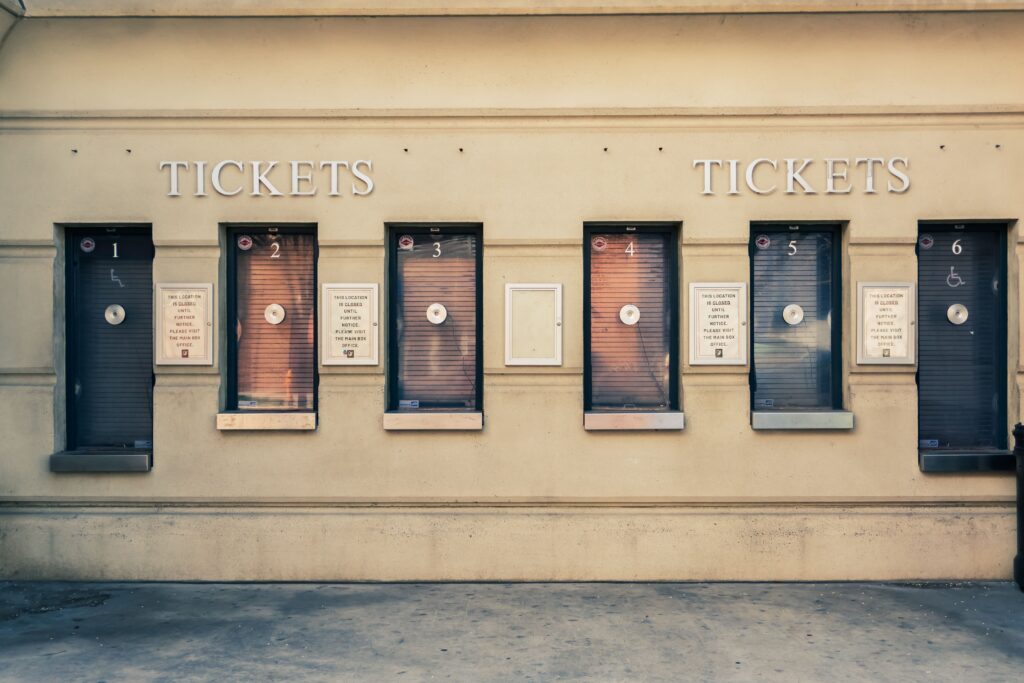
    Tickets are one of the biggest expenses of a Disney vacation, so don’t automatically buy the most expensive option.

    Standard date-based Disney World tickets require you to select a start date and provide admission to one theme park per day. Disney also offers options such as Park Hopper, which allows you to visit more than one theme park on the same day. Think realistically about how you’ll spend your vacation.

    Do you actually need Park Hopper? Are you planning to visit all four theme parks? Would fewer park days give you enough time to enjoy the trip without rushing around?

    Also, don’t assume that you’ll need a separate theme park reservation. Disney currently says reservations are not required for date-based tickets, although some other types of admission may still require them. Check Disney’s current requirements when you purchase your tickets.

    Disney also periodically offers special ticket promotions. For example, limited-time 2026 offers have included date-based multi-day tickets. These offers change, so check Disney’s official website before purchasing to see whether a current promotion fits your plans.

    6. Bring Your Own Park Essentials

    There are certain things you already know you’re going to need at the parks, so why pay Disney prices for them once you’re there?

    Pack your own:

    • Sunscreen
    • Refillable water bottle
    • Portable charger
    • Sunglasses
    • Hat
    • Poncho
    • Small first-aid supplies
    • Snacks

    Florida weather can be unpredictable, and a sudden rainstorm is a lot less annoying when you already have a poncho in your bag.

    Just remember that Disney’s park rules can change, so check the current guidelines before packing. Some items have restrictions, and Disney’s rules should always take priority over an old packing list you found online.

    7. Save Money on Disney World Food

    Food can quietly eat up a huge part of your Disney budget. Before your trip, decide which meals or dining experiences are actually important to you. Maybe there’s a restaurant you’ve been dying to try. Great! Budget for it. But you don’t have to make every meal an expensive experience. You can mix in less expensive meals and snacks and save your money for the dining experiences you genuinely care about.

    Disney also offers dining plans for eligible stays, but don’t assume a dining plan is automatically the cheaper option. Compare the plan with what you realistically expect to eat and spend. Disney notes that dining-plan details, participating locations, and terms can change. The goal isn’t to eat as cheaply as humanly possible.

    It’s to avoid spending money on food you don’t even really want.

    8. Bring a Reusable Water Bottle

    Florida heat and theme-park walking are not a cute combination when you’re dehydrated. Bring a refillable water bottle and use it throughout your day. It’s a simple way to reduce the number of drinks you have to purchase while you’re in the parks—and staying hydrated will make the whole experience more enjoyable.

    This is one of those small things that can save money without making you feel like you’re sacrificing anything.

    9. Set a Disney Souvenir Budget
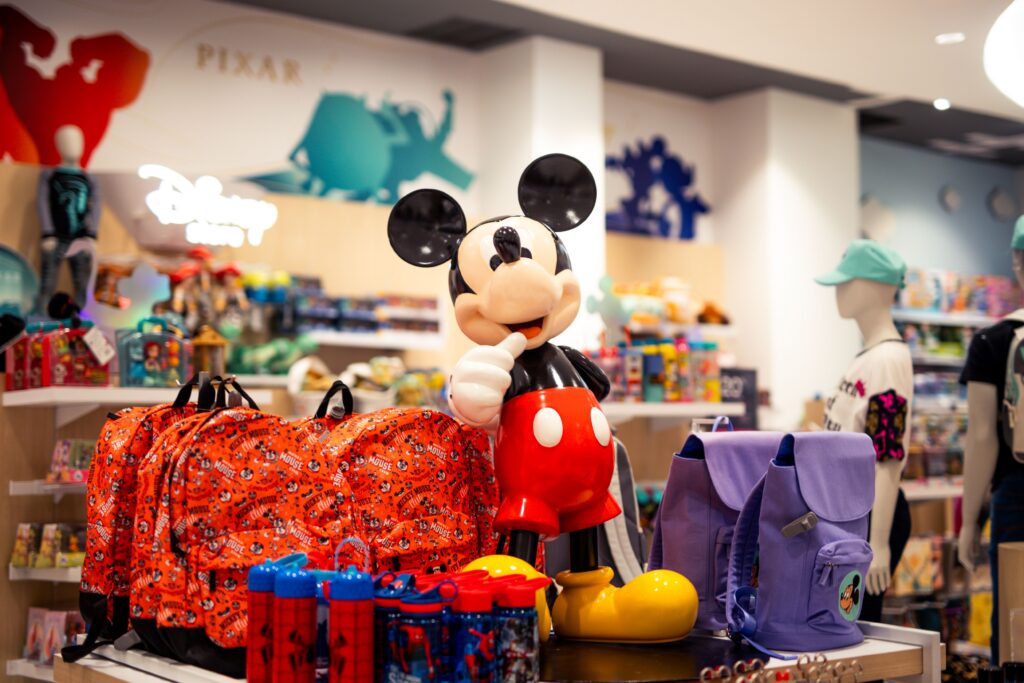
    Disney merchandise is dangerous. You walk into a store “just to look” and somehow leave holding a $40 sweatshirt. Ma’am, we came here for Mickey!

    Before your trip, decide how much you’re willing to spend on souvenirs. If you’re traveling with kids, you can give them a specific amount so they know how much they have to work with. A souvenir budget also gives you permission to buy something you really love without feeling guilty about it.

    10. Buy Some Disney-Themed Items Before Your Trip

    If you know you want Disney-themed shirts, accessories, autograph supplies, or other items, consider buying some of them before you arrive.

    You can often find Disney-inspired items from retailers outside the parks for less than what you might spend once you’re surrounded by merchandise.

    And honestly, having your Disney outfit ready before the trip can make the whole experience even more fun.

    11. Don’t Feel Pressured to Buy Everything

    Disney social media can make it seem like you need to buy every souvenir, upgrade, special experience, themed outfit, snack, collectible, and limited-edition item. You don’t.

    Pick the things that actually matter to you. If you don’t care about collecting ears, don’t buy them just because everyone else has them. If a particular character experience means everything to you, prioritize that.

    Your Disney vacation doesn’t have to look like someone else’s Instagram or TikTok feed to be a great vacation.

    12. Give Yourself a Miscellaneous Budget

    Even the best-planned vacation can come with unexpected expenses.

    Maybe you need medicine. Maybe you forgot something at home. Maybe you decide you really want that snack everyone keeps talking about. Instead of pretending unexpected expenses won’t happen, plan for them. Set aside a miscellaneous amount as part of your Disney budget.

    And if you don’t spend it? Congratulations! You have extra money.

    13. Don’t Sacrifice Your Entire Disney Vacation Just to Save Money

    Saving money is important. But don’t turn your entire vacation into a financial obstacle course. If there’s something you genuinely want to experience, budget for it. Maybe that’s a special meal. Maybe it’s a character experience. Maybe it’s staying at a particular resort. Maybe it’s buying one ridiculously cute souvenir.

    The goal isn’t to spend as little money as possible. The goal is to spend your money on the parts of the trip that will actually make the trip memorable.

    You Can Do Disney Without Destroying Your Budget

    Let’s be honest: Disney World isn’t exactly a cheap vacation. But there’s a big difference between an expensive vacation and a financially chaotic one.

    Set your budget. Compare your options. Be flexible with your dates. Don’t automatically pay for upgrades you don’t need. Bring some of your own essentials. Be strategic with food and souvenirs. And most importantly, decide ahead of time what is actually worth spending money on for you.

    Disney doesn’t have to be about buying everything. Sometimes the memories you’re paying for are the rides, the laughs, the pictures, seeing a character you’ve loved forever, and walking back to your hotel completely exhausted because you somehow stayed in the park until closing.

    Those are the moments you’ll remember—just like the unexpected memories that come from a good road trip. Not the tenth souvenir you almost bought.

  • How to Find Cheap Travel Accommodations

    How to Find Cheap Travel Accommodations

    Traveling doesn’t have to break the bank.

    One of the biggest expenses you’ll encounter when planning a trip is accommodations. Between hotels, vacation rentals, hostels, and resorts, finding somewhere affordable to sleep can sometimes feel like a vacation-planning nightmare.

    The good news? There are plenty of ways to save money on accommodations without sacrificing comfort, safety, or your entire travel experience.

    Whether you’re planning a weekend getaway or a month-long adventure, here are some of my favorite ways to find cheap travel accommodations.

    1. Don’t book the first hotel you find

    You’ve picked your destination, searched for hotels, and found one that looks cute.

    Don’t hit “Book” just yet.

    Take a few minutes to compare prices and properties first. I like using a hotel search tool to get a quick look at prices, ratings, locations and different booking options before choosing a property. The same hotel-or comparable properties nearby-may have different rates depending on where and when you’re searching.

    More importantly, pay attention to what’s actually included in the advertised price. That $89 room isn’t much of a bargain if another $50 in fees magically appears at checkout.

    Compare the total cost, not just the nightly rate.

    2. Be flexible with your travel dates

    Flexibility can save you serious money.

    Accommodation prices can change dramatically depending on the day of the week, season, holidays, local events, and overall demand. Before locking yourself into specific dates, see what happens if you move your trip around a little.

    What if you arrive Tuesday instead of Friday? What about one week earlier or later?

    This is one of the advantages of solo travel. If you don’t have to coordinate schedules with several other people, you may have more freedom to choose the dates that work best for your budget.

    Use that freedom to your advantage.

    3. Travel during the shoulder season

    Everyone wants to visit a destination when the weather is perfect. Unfortunately, hotels know that.

    Instead, consider traveling during shoulder season, the period between a destination’s peak and off-season. Depending on where you’re going, you may find lower accommodation prices, smaller crowds, and still-pretty-good weather.

    And honestly? I’ll happily take slightly less-than-perfect weather if it means paying significantly less and not fighting through enormous crowds everywhere I go.

    4. Look beyond the tourist center

    Location matters. A lot.

    Hotels directly beside major attractions usually charge accordingly, so look a few neighborhoods away. You may find significantly cheaper accommodations while still being able to reach everything you want to see by public transportation.

    But don’t choose based on price alone. Check the public transportation options, how late they operate, transportation costs, neighborhood reviews, and how you’ll get back to your accommodation at night.

    Saving $30 on a hotel isn’t much of a victory if you’re spending $40 every day getting into the city.

    5. Consider hostels—even if you’re not 21

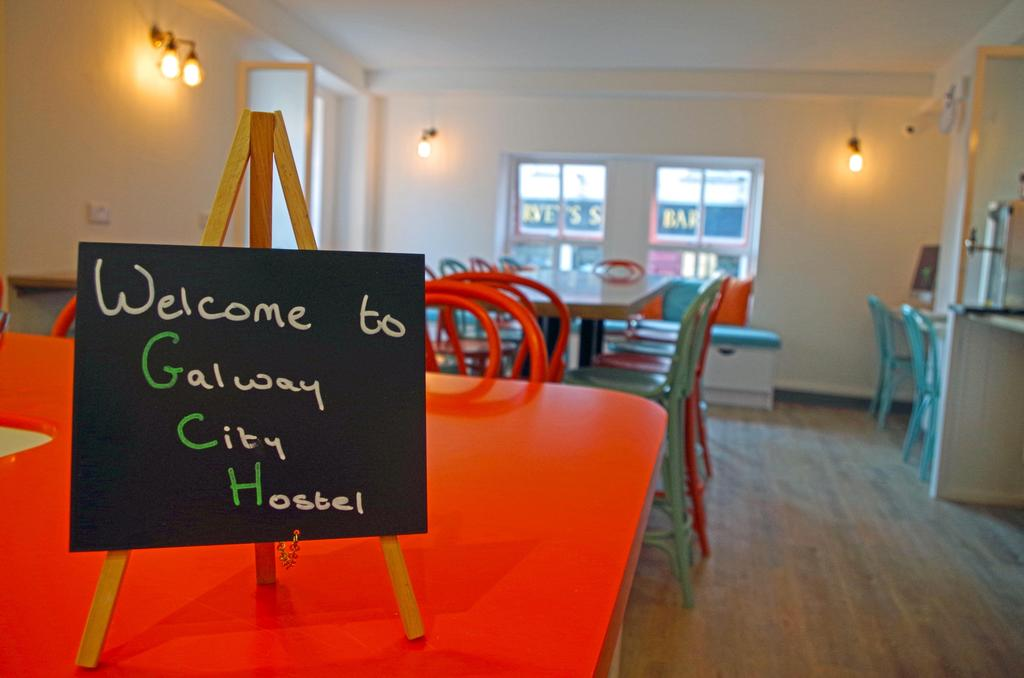
    Galway City Hostel in Galway, Ireland

    Hear me out.

    Hostels aren’t just for broke college students backpacking across Europe.

    I’ve stayed in quite a few hostels during my travels, and some of them have honestly been some of my favorite places to stay. Galway City Hostel is still one of the best hostels I’ve stayed in, and I’ve also had great experiences with St. Christopher’s hostels in Amsterdam, Edinburgh, London, and Barcelona, as well as TOC Hostel in Málaga.

    A good hostel can be especially great when you’re traveling solo. Besides usually being more affordable than a hotel, hostels can give you opportunities to meet other travelers without forcing you to spend your entire trip with them. Many also offer private rooms if sharing a dorm isn’t your thing.

    That said, not every hostel experience is a great one. Abbey Court Hostel in Dublin was my least favorite of the hostels I’ve stayed in, which is why I always recommend reading recent reviews instead of assuming every conveniently located hostel will be right for you.

    Pay attention to location, security, cleanliness, room setup, lockers, bathrooms, and overall atmosphere. I also like checking hostel booking sites for recent traveler reviews and photos before deciding. Some hostels are basically one giant party. Others are surprisingly quiet.

    Choose what works for you.

    6. Don’t automatically rule out hotels

    Hotel accommodation for budget travelers

    Budget travel doesn’t mean you have to sleep in a hostel every night.

    Some of my favorite stays have actually been hotels. I’ve had especially good experiences at Maldron hotels in Limerick and Glasgow.

    If a hotel gives me a comfortable room, convenient location, and amenities that make my trip easier, I’m willing to compare the overall value instead of automatically choosing whichever option has the lowest nightly rate.

    Sometimes spending a little more gives you considerably more.

    7. Consider a vacation rental

    Hotels aren’t always the cheapest option.

    Depending on your destination, length of stay, and number of people traveling, a vacation rental may offer better value. Having a kitchen can also save money because you won’t need to eat every meal at a restaurant.

    But again: Check the final price.

    Cleaning fees and other charges can turn what initially looks like a bargain into something considerably less exciting.

    8. Pay attention to what’s included

    The cheapest room isn’t always the cheapest stay.

    Look at what you’re getting for the price. Breakfast, Wi-Fi, parking, kitchen facilities, laundry, airport transportation, and nearby public transit can all affect how much you ultimately spend.

    Parking is especially important if you’re taking a road trip. A cheap downtown hotel with expensive overnight parking could easily cost more than another hotel with a slightly higher nightly rate.

    Free breakfast can make a surprisingly big difference too. Never underestimate the power of free food. If two hotels cost roughly the same and one includes breakfast, I’ll take the breakfast.

    Neither option is glamorous. Neither is paying $17 for eggs every morning. Choose your battle.

    9. A kitchen can save you more than you think

    This is particularly useful on longer trips.

    Apartment-style hotels, vacation rentals, hostels with communal kitchens, and extended-stay properties can make it easier to cut down on food expenses.

    You don’t have to cook elaborate meals on vacation. Buy some breakfast foods. Make sandwiches. Keep drinks and snacks in the refrigerator. Cook dinner occasionally.

    Eating is one of my favorite parts of traveling, so I’m definitely not suggesting you eliminate restaurants. Just don’t feel like every meal needs to cost $30.

    10. Compare refundable and non-refundable rates carefully

    You may see a lower rate if you agree to a non-refundable reservation. That can save money. It can also cost you money if your plans change.

    Before choosing the cheapest option, think about how certain you are about the trip. Sometimes paying a little more for flexibility is worth it. Cheap travel isn’t just about finding the lowest possible number. It’s about finding good value.

    11. Check for longer-stay discounts

    Planning to stay awhile?

    Check whether the property offers weekly, monthly, or extended-stay discounts. Some accommodations reduce the nightly rate when you stay longer.

    This can be particularly useful for slow travelers or anyone spending several weeks in one destination and staying longer has another benefit: You actually get to experience the place instead of racing through it.

    12. Read the recent reviews

    Online hotel reviews and ratings for cheap travel accommodations

    Please don’t skip this step.

    A suspiciously cheap hotel might be an incredible deal or there might be a reason it’s suspiciously cheap. Read recent reviews and look for patterns. One person complaining doesn’t necessarily mean much. Twenty people mentioning the same problem? Pay attention.

    For solo female travelers especially, I look closely at what people say about the neighborhood, transportation, staff, cleanliness, security, lighting around the property, and what it’s like getting back at night.

    Saving money matters. Feeling comfortable where you’re staying matters more!

    13. Don’t sacrifice safety for a bargain

    This deserves its own section.

    I’ve traveled on a budget, and I love saving money as much as anyone. But there is a point where cheaper isn’t better. If an accommodation or neighborhood makes you uncomfortable, don’t book it simply because it’s $20 less.

    For solo travelers, where you stay can have a major impact on how comfortable you feel during the entire trip. I’d rather spend slightly more for a location where I feel comfortable returning after dinner than save money and spend every evening worrying about getting back to my room.

    Budget-conscious does not have to mean cheapest at all costs.

    14. Book early—but keep checking

    Booking ahead can give you more choices, particularly for popular destinations or busy travel periods. But that doesn’t necessarily mean you should book something and never look again.

    If you’ve reserved a refundable rate, occasionally check prices before your trip. If the same room—or a better option—drops significantly in price, you may be able to change your reservation.

    Just make absolutely sure you understand the cancellation terms before touching an existing booking.

    15. Figure out what the accommodation will really cost you

    Imagine you find two hotels.

    Hotel A: $70 per night
    Hotel B: $95 per night

    Hotel A looks like the obvious winner.

    But then you discover Hotel A charges for breakfast, requires expensive transportation into town, and has terrible reviews.

    Hotel B includes breakfast, is beside a metro station, and is within walking distance of several places you want to visit.

    Suddenly that $25 difference doesn’t look quite the same.

    When I’m comparing accommodations, the question I really want answered is: What will this place actually cost me during the entire stay? That’s the number that matters.

    Cheap Travel Accommodations Don’t Have to Mean Bad Accommodations

    Traveling on a budget is about making smarter choices, not making yourself miserable.

    Be flexible. Compare your options. Look at hostels, hotels, and vacation rentals. Check transportation. Pay attention to amenities. Read recent reviews. And don’t sacrifice your safety or comfort just so you can say you found the cheapest room.

    The money you save on accommodations can go toward the things you’re actually traveling for:

    Experiences. Food. Activities. Another destination. Or maybe just another trip.

    And I’m definitely voting for another trip!